TechXY Reads
China Mountain Zhang by Maureen F. McHugh
Set in a 22nd century where the United States has undergone a socialist revolution and China has emerged as the world's dominant superpower, China Mountain Zhang is a quiet, confident piece of near-future world-building.
Why I recommend it: It feels like a close parallel universe. Not dystopian, but intimately unsettling, a future that feels lived in and that arrived gradually, through policy shifts and cultural drift rather than cataclysm. The descriptive writing is great. You feel the world. And you can't help but make comparisons to current U.S.-China relations and what global realignment might actually look like.
China Mountain Zhang - (Wikipedia)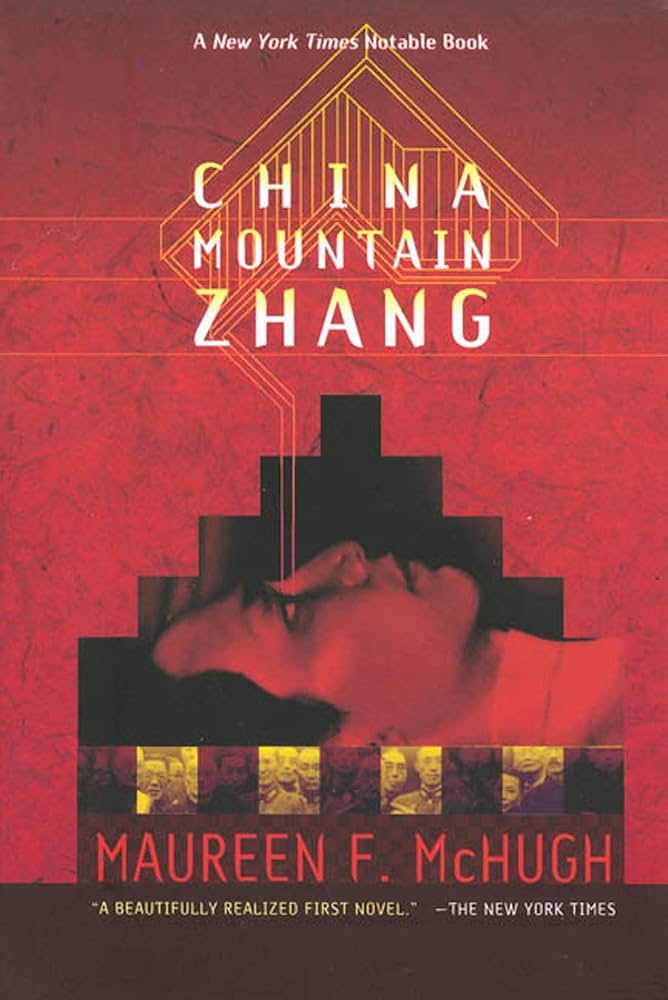
Maus by Art Spiegelman
The story of Vladek Spiegelman — a Jewish survivor of the Holocaust — told by his son, a cartoonist trying to understand his father’s past and their complicated relationship. The Jews are depicted as mice. The Nazis as cats. It is one of the most powerful works in the American literary canon.
Why I recommend it now: We live in a moment when we can no longer collectively agree on the meaning and weight of some of our most historically loaded terms. Words like nazi and holocaust get deployed casually, contested, used as memes and utterly stripped of their gravity. Maus does something remarkable: it renders the unspeakable both terrifying and real through an abstract, miniaturized comics format. The gap between the diminutive visual form and the enormity of what it depicts creates a kind of moral shock that prose and even video sometimes can’t. In an era of narrative fragmentation and historical revisionism, Maus is a corrective. Read it or reread it.
Maus - (Wikipedia)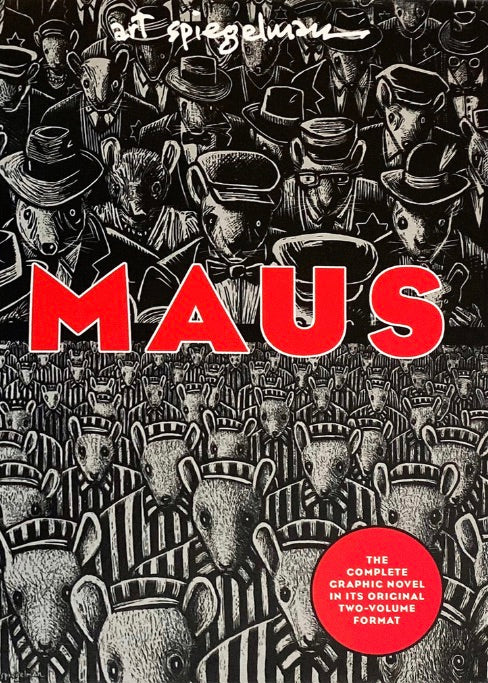
The Caves of Steel by Isaac Asimov
Detective Elijah Bailey teams with robot partner R. Daneel Olivaw to solve a murder in a domed future New York. It’s a police procedural and a social novel at the same time. Asimov was always more interested in what robots do to human society than in the robots themselves.
Why I recommend it: The central tension is job displacement. Automation has gutted the working class. People are angry, organized, and looking for someone to blame. That may sound like a headline from today, but Asimov was writing about the human cost of technological disruption in 1954. The emotional logic of that story hasn’t aged a day. And it reflects what may be Asimov’s greatest speculative exploration—not whether intelligent machines would exist but what they’d do to our humanity when they arrived.
The Caves of Steel - (Wikipedia)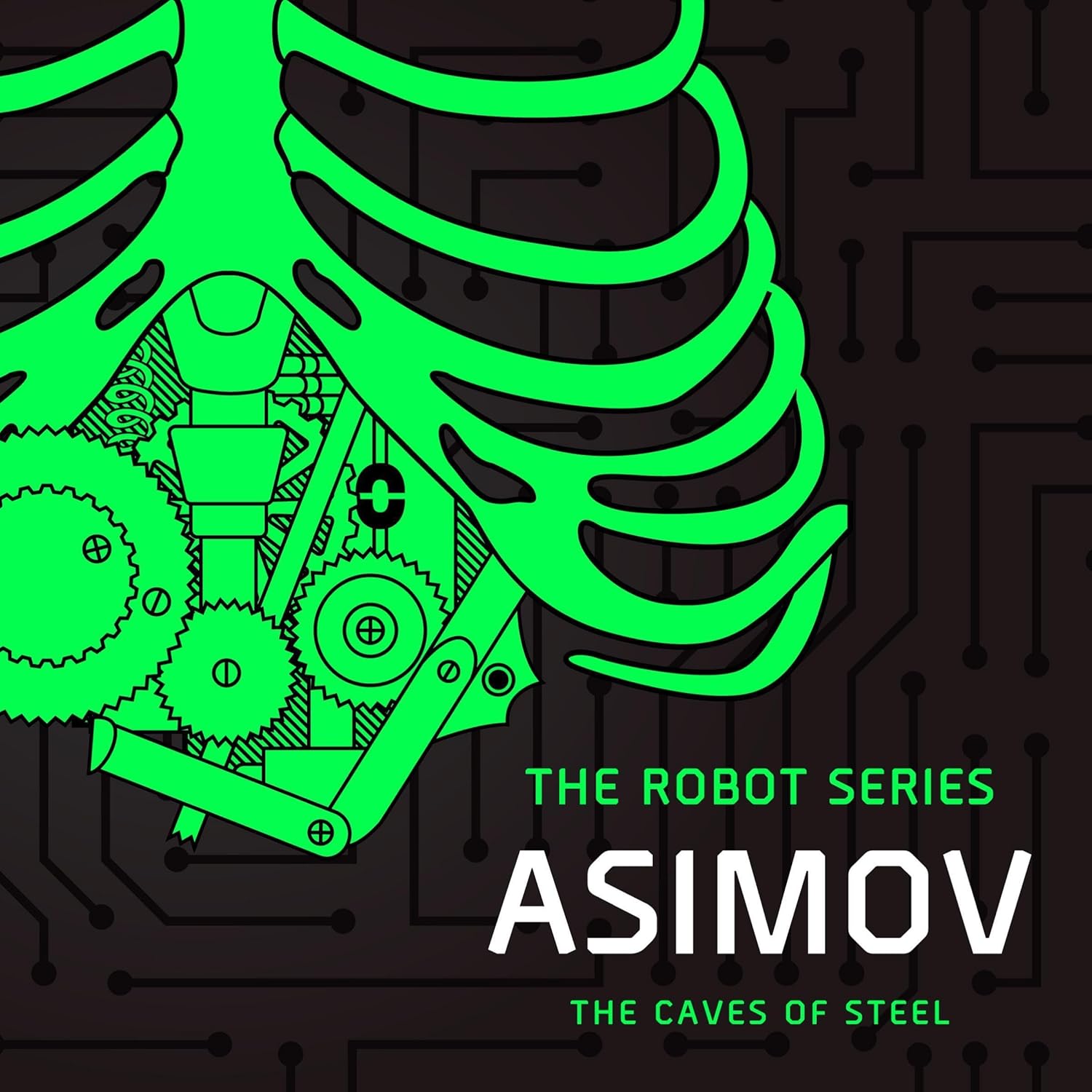
The Captive Mind by Czesław Miłosz
Published in 1953 by Polish poet and Nobel laureate Czesław Miłosz, The Captive Mind examines how and why intellectuals under Soviet-controlled Eastern Europe came to accommodate — and in some cases embrace — totalitarian ideology. It is a study in self-censorship, rationalization, and the slow erosion of independent thought.
Why I recommend it: We’re in a moment of accelerating pressure on speech, thought, and the range of acceptable opinion — from multiple directions simultaneously. Comedians are being censored. Academics self-censor. Platforms make invisible decisions about what spreads and what doesn’t. Miłosz writes from inside the experience of ideological capture, not as an outside critic, and that proximity gives the book an authority that political commentary rarely achieves. If you’re trying to understand the mechanics of how free societies constrain themselves, this is essential.
The Captive Mind - (Wikipedia)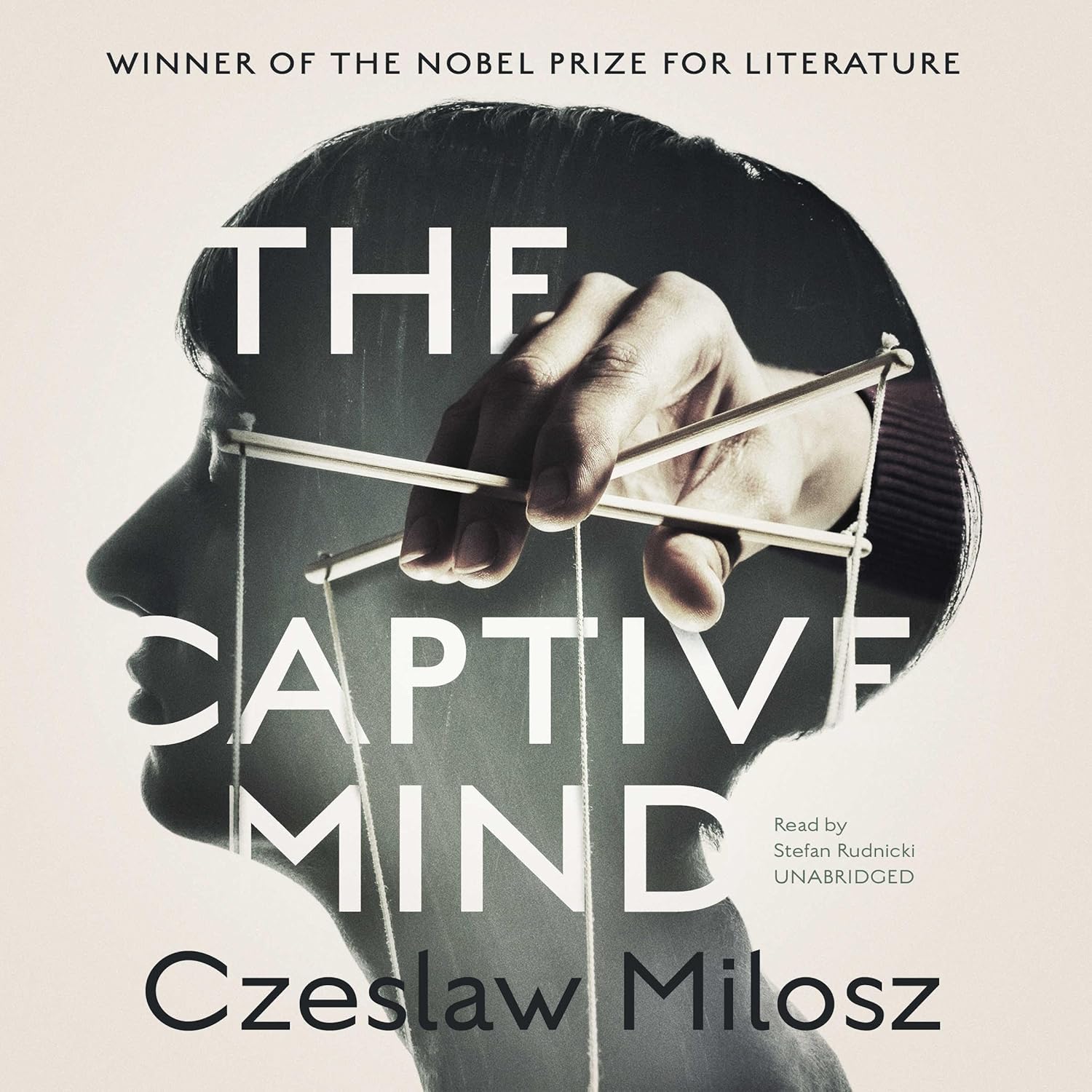
Parable of the Sower by Octavia Butler
Set in a near-future California where climate collapse, income inequality, and institutional failure have unraveled everyday life, Parable of the Sower follows Lauren Olamina, a teenager who builds a new belief system and community out of the wreckage.
Why I recommend it: Like China Mountain Zhang, this one feels less like speculation and more like a close parallel universe. The setting of Parable of the Sower features economic disparity, the rise of Christian nationalism, severe climate change, and the collapse of public infrastructure. It feels uncomfortably close, and ultimately about what it takes to rebuild when the old structures stop working.
Parable of the Sower - (Wikipedia)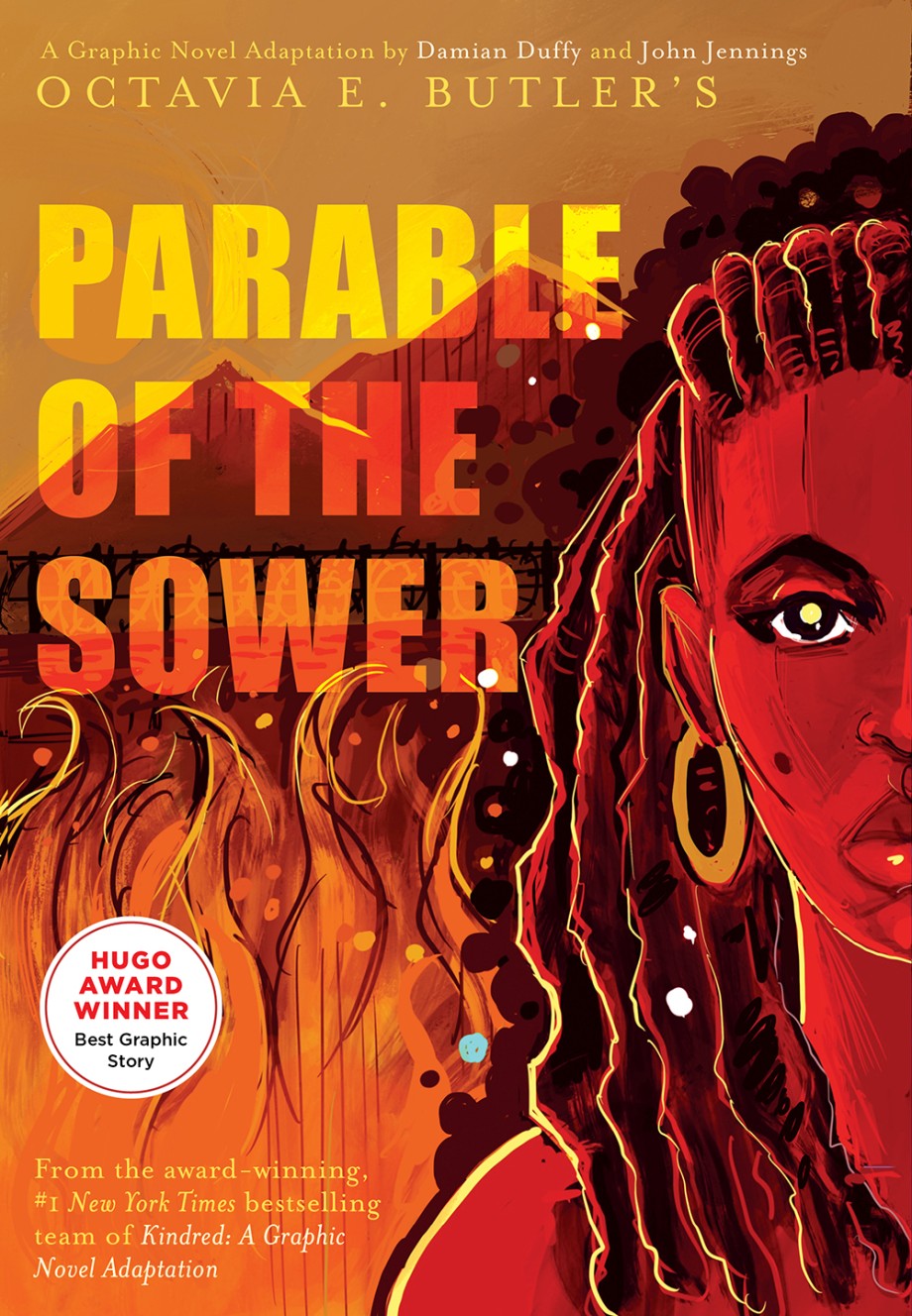
Snow Crash by Neil Stephenson
A pizza delivery driver and freelance hacker navigate a near-future America where corporations have replaced governments, physical reality and virtual reality bleed together, and a new drug-slash-computer-virus is spreading through the metaverse.
Why I recommend it: Stephenson invented the word metaverse. He described avatar-based virtual worlds, decentralized micro-states, and the weaponization of language and information with a precision that now reads less like imagination and more like reporting. It’s also enormously entertaining — funny, propulsive, and bizarre in the best way. If you want to understand the cultural DNA behind VR, crypto, and the tech industry’s stranger impulses, Snow Crash is foundational reading.
Listen Now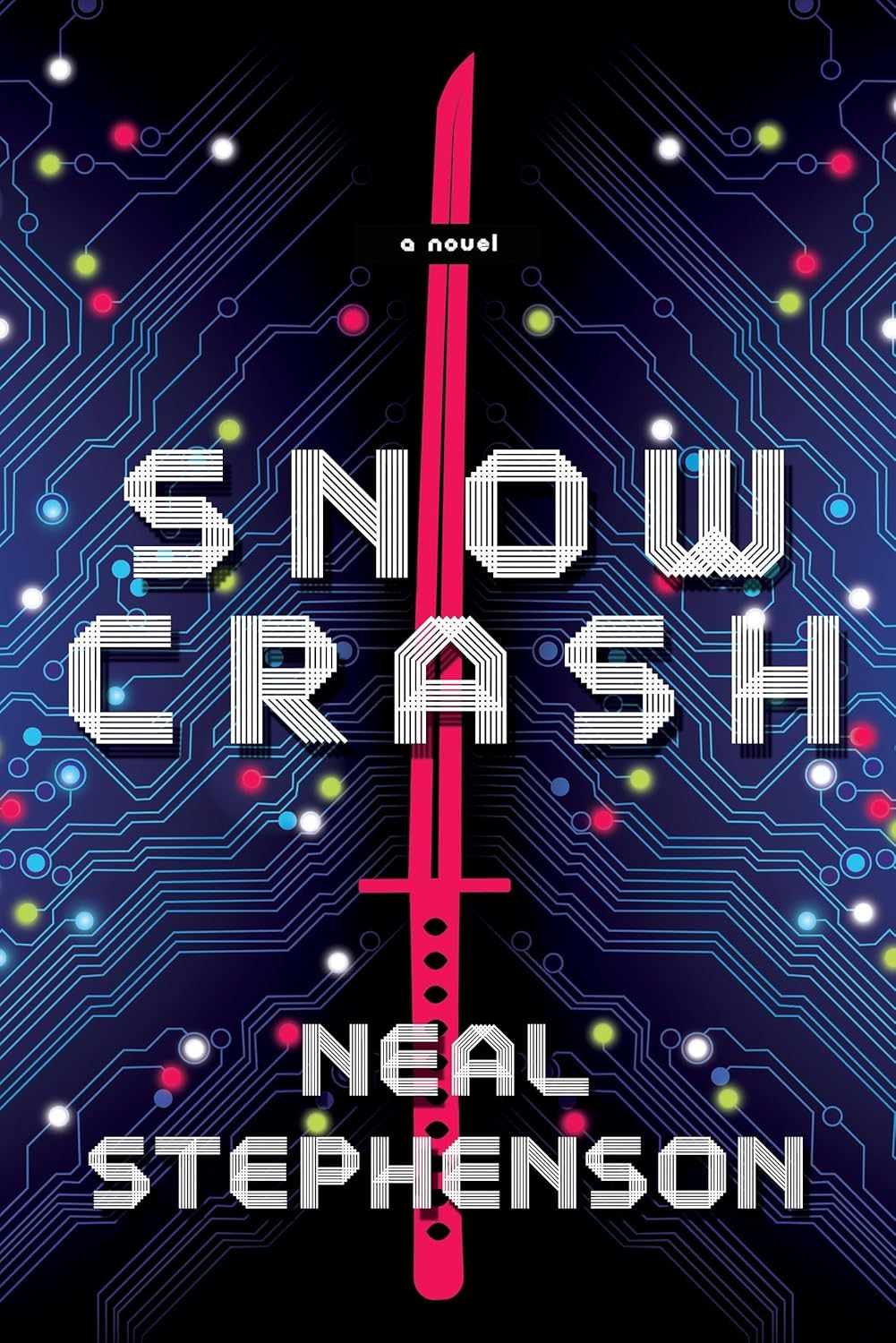
The Forever War / Forever Peace by Joe Haldeman
Two novels, best read together. The Forever War follows soldiers in an interstellar conflict where relativistic time dilation means they return home decades out of sync with the world they left. Forever Peace explores what happens when soldiers are neurally linked to remote combat drones — and what that does to their sense of humanity.
Why I recommend them: We’re no longer speculating about AI in warfare — we’re in that era, with autonomous weapons, drone combat, and algorithmic targeting. Author Joe Haldeman, a Vietnam War veteran, speculated about the psychological and moral costs of technologically mediated violence before today’s technology existed to make it real. The books explore the psychological impact of technology on humanity when killing is done at a distance, or by a machine, or by a version of yourself you can’t fully control.
Listen Now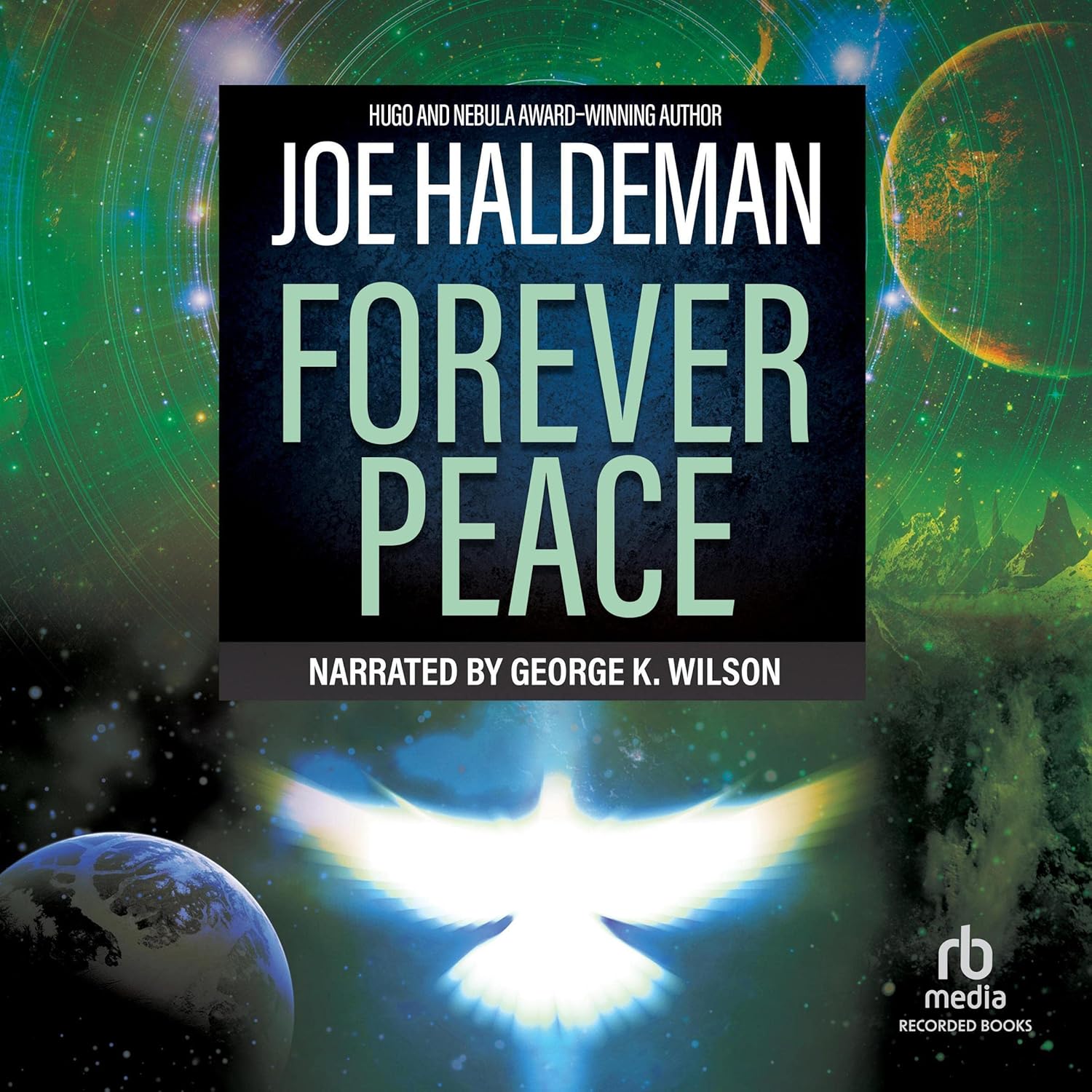
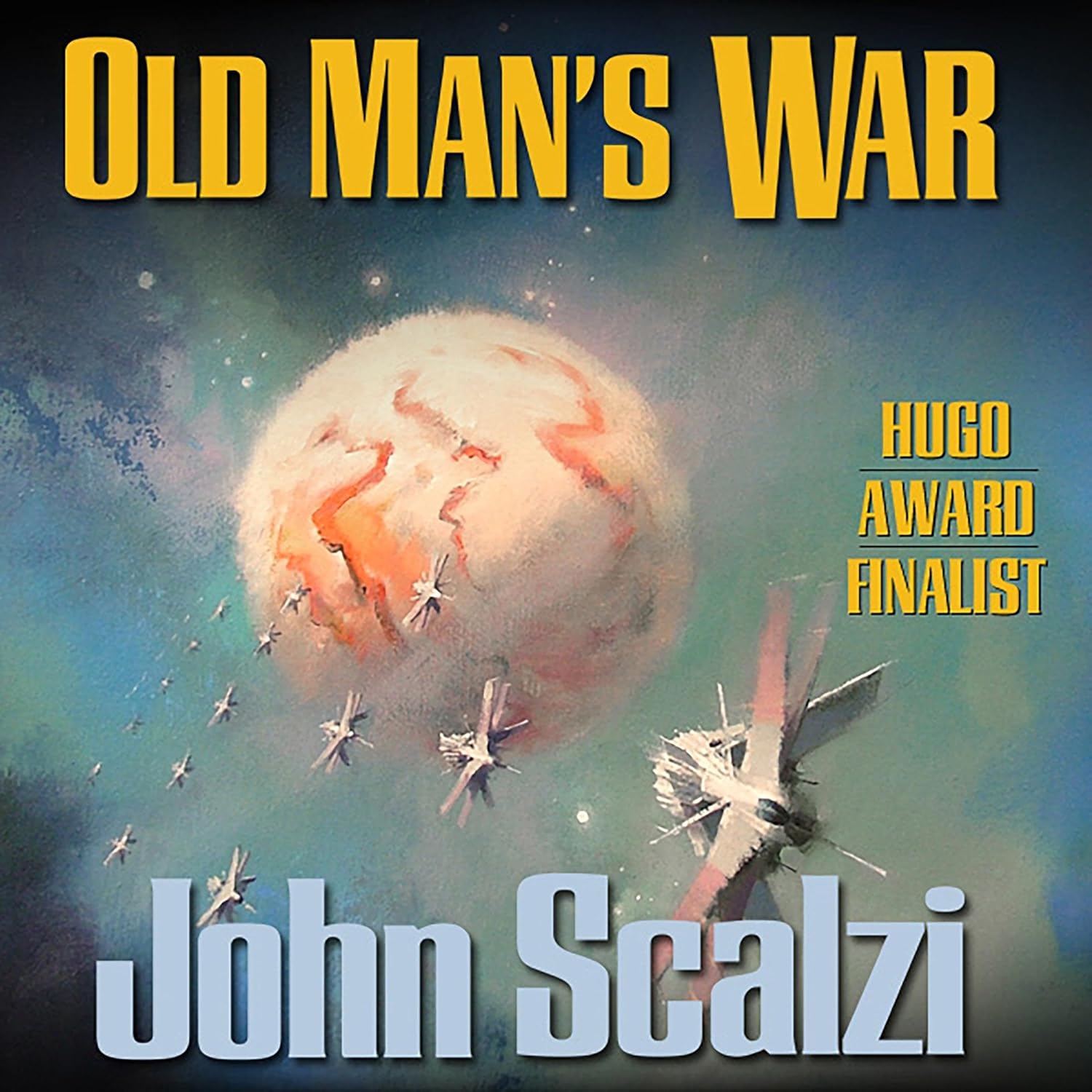
Old Man’s War
John Perry enlists in the army at age 75, giving up retirement for a young, enhanced body and a chance to fight for humanity’s survival in a crowded galaxy. The novel is fast, fun, and quietly philosophical about identity, mortality, and what we’re willing to trade for another shot at vitality.
Why I recommend it: Scalzi asks real questions about human enhancement and augmentation — about what we remain when our biology is upgraded — wrapped in one of the more entertaining military sci-fi novels (and series) of the last 25 years.
Listen Now